
June 25, 2026
Choosing Between Two Popular Cosmetic Options
When you want to refresh your smile, the choices can feel overwhelming. Two of the most common cosmetic treatments we discuss with patients are dental bonding and veneers. Both can improve the look of your teeth, yet they work in different ways and suit different goals.
At Osgood Cosmetic & Family Dentistry, we help patients in North Andover understand their options so they can make confident decisions. In this article, you will learn what bonding is and what it corrects, what veneers are and how they help, and the key differences in tooth preparation, durability, stain resistance, and customization. By the end, you will have a clearer sense of which approach may match your needs.
What Cosmetic Bonding Is and What It Can Address
Cosmetic bonding applies a tooth-colored composite material to improve the appearance of a tooth. We add the material directly to the tooth and shape it to build up the area, which keeps your smile looking natural. Patients often choose cosmetic bonding to correct the shape of a chipped tooth, improve the appearance of a cracked tooth, or create more even tooth color.
Bonding offers several practical advantages. An appointment usually takes less than one hour to complete, and the treatment often preserves the tooth's structure. Bonding may also cost less than some other cosmetic treatments. Keep in mind that bonding material can stain from coffee, tea, tobacco, or certain foods, so good home care matters. Bonding may not last as long or hold up as well as veneers or crowns, though it remains a strong choice for many minor corrections.
What Veneers Are and What They Can Address
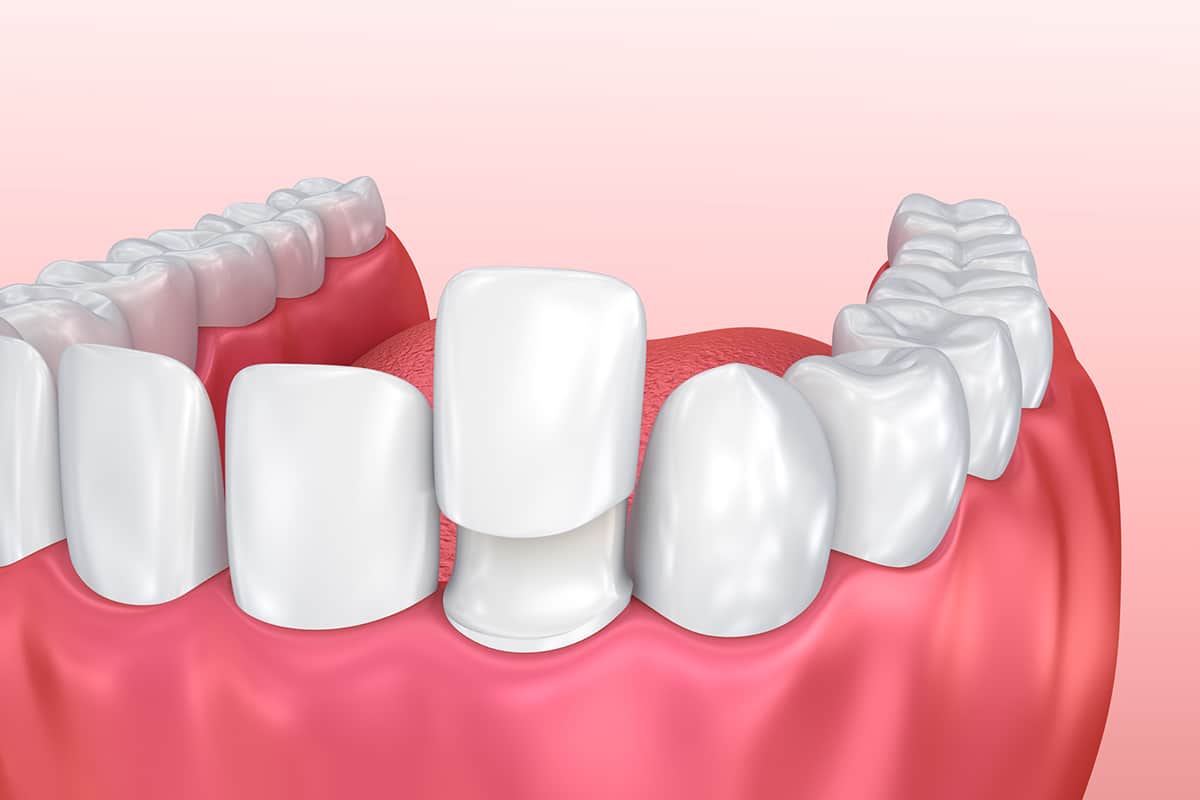
Veneers cover the front surface of a tooth and slightly wrap around the sides and biting edge. We can apply them to one tooth or several, depending on your goals. Veneers correct gaps between teeth, uneven lengths, slight misalignment, discoloration, chipped teeth, and slight crookedness. They can also change the size or shape of a tooth for a more balanced look.
Different types of veneers exist, and the right choice depends on your situation. Porcelain veneers are crafted in a lab to mimic natural enamel and tend to last the longest while resisting stains well. Composite veneers use composite resin, may cost less, and work well for less extensive improvements, though the material is more prone to staining and does not last as long as porcelain. During a consultation, we review your goals to determine whether veneers are suitable for you.
Key Differences in Preparation, Durability, Staining, and Customization
The biggest practical differences come down to four areas. Understanding each one helps you weigh your options:
- Tooth preparation: Bonding usually adds material to the tooth and often preserves its structure. Veneers typically require us to remove a thin layer of enamel — usually less than one millimeter — so the veneer fits seamlessly.
- Durability: Veneers, especially porcelain, generally last longer and resist wear better. Bonding may not hold up as well as veneers or crowns over time.
- Stain resistance: Bonding material can stain from coffee, tea, tobacco, or some foods. Porcelain veneers tend to resist staining better than composite materials.
- Customization and time: Bonding often happens in a single visit of under an hour. We carefully prep and fabricate veneers, and a dental lab fully customizes the porcelain to match color, shape, and fit.
So how do you decide? If you want a quick fix for a minor chip or uneven color and prefer to keep more of your natural tooth, bonding may make sense. If you want a more dramatic, longer-lasting change across several teeth, veneers may better support your goals. We are happy to walk you through both during an exam.
Making the Choice That Fits Your Smile
Both dental bonding and veneers can improve the appearance of your teeth, but they serve different purposes. Bonding adds tooth-colored material, preserves structure, works quickly, and often costs less but is more prone to staining and less durable over time. Veneers cover the front of the tooth, correct a wider range of issues, and tend to last longer and resist stains, especially in porcelain form. The best next step is a conversation about your goals and oral health. When you are ready, reach out to our North Andover team so we can help you choose with confidence.
Frequently Asked Questions About Cosmetic Bonding
What issues can cosmetic bonding correct?
Cosmetic bonding can correct the shape of a chipped tooth, improve the appearance of a cracked tooth, and create more even tooth color. We add tooth-colored composite material to the tooth and shape it for a natural look.
How long does a bonding appointment take?
A bonding appointment usually takes less than one hour to complete. The exact time depends on how many teeth we treat and the goals you have in mind.
Does cosmetic bonding preserve my natural tooth?
Yes, bonding usually preserves the tooth's structure because we add material rather than removing a layer of enamel. Many patients appreciate this conservative approach.
Will bonding material stain over time?
Bonding material can stain from coffee, tea, tobacco, or some foods. Good home care helps keep your results looking their best, so we will review simple ways to protect your smile.
Is bonding as durable as veneers?
Bonding may sometimes suit patients who want to avoid more extensive treatment, but it may not last as long or hold up as well as veneers or crowns. We can discuss how each option fits your goals and habits during a visit.
At Osgood Cosmetic & Family Dentistry, we provide cosmetic and family dental care for patients in North Andover and the surrounding communities. Our team takes the time to explain your options so you can choose the treatment that fits your smile. To learn more or schedule a visit, contact us today.