
Scaling and root planing is a non-surgical deep cleaning procedure used to treat gum disease. A dentist or hygienist removes plaque and calculus from beneath the gumline, then smooths the tooth roots to help gum tissue heal and reattach. It is one of the most effective early-stage treatments for periodontal disease.
Gum disease is more common than most people realize — and more serious. What begins as mild gum inflammation can progress quietly, often without pain, until the supporting structures around your teeth start to break down. For patients in North Andover and the surrounding communities, catching and treating gum disease early makes a real difference in long-term oral health.
At Osgood Cosmetic & Family Dentistry, we treat gum disease with care and thoroughness. One of the most effective non-surgical tools we use is scaling and root planing — a deep cleaning procedure designed to remove harmful buildup from beneath the gumline and give your gums the conditions they need to heal.
What Does Scaling and Root Planing Actually Treat?
The Connection Between Plaque, Calculus, and Gum Disease
Gum disease — clinically known as periodontal disease — develops when bacteria in dental plaque accumulate along and beneath the gumline. Over time, plaque hardens into calculus (also called tartar), a mineralized deposit that cannot be removed with regular brushing or standard cleanings. When left in place, calculus triggers persistent inflammation, causing the gums to pull away from the teeth and form pockets where bacteria continue to thrive.
Why Standard Cleanings Are Not Enough
A routine prophylaxis cleaning addresses the surfaces above the gumline. When periodontal pockets deepen — typically beyond 3 millimeters — bacteria and calculus settle into areas a standard cleaning cannot reach. Scaling and root planing address the deeper zones directly, making them the appropriate first-line treatment for early- to moderate-stage gum disease.
How Does the Scaling and Root Planing Procedure Work?
Step One: Scaling
The first step is to gently numb the treatment area to ensure you're comfortable throughout the procedure. Once the area is anesthetized, we begin the scaling phase using specialized dental instruments to carefully remove plaque and hardened tartar (calculus) from the tooth surfaces and deep within the periodontal pockets below the gumline. We take the time to thoroughly clean around each tooth, removing the buildup that contributes to inflammation and gum disease.
Step Two: Root Planing
Once the scaling is complete, we smooth the surface of the tooth root — a process called root planing. Root surfaces that are rough or irregular tend to attract and retain bacteria more easily. By smoothing them, we create an environment where gum tissue can heal more effectively and reattach to a cleaner root surface. The goal is not just to clean — it is to give your gums the best possible foundation for recovery.
What to Expect During and After Treatment
For many patients, the idea of a deep cleaning feels daunting. We want you to know that we take every step to keep you comfortable throughout the procedure. Local anesthesia is typically used to minimize discomfort during treatment. Afterward, some sensitivity and mild soreness are normal and usually resolve within a few days. We will provide you with clear aftercare instructions and let you know exactly what to watch for as your gums begin to heal.
What Are the Benefits of Treating Gum Disease Early in North Andover?
Stopping Disease Progression Before It Advances
Periodontal disease does not reverse on its own. Without treatment, the infection continues to deepen, eventually affecting the bone that supports your teeth. Scaling and root planing interrupt that process. For patients in the early to moderate stages of gum disease, it often eliminates the need for surgical intervention.
Supporting Your Overall Health
Research has established links between periodontal disease and systemic conditions, including heart disease and diabetes. Treating gum disease promptly helps reduce the bacterial burden in your mouth — a benefit that extends beyond your smile. We look at your dental needs as a whole, and periodontal health is a meaningful part of that picture.
Maintaining the Results with Ongoing Care
Following scaling and root planing, we typically recommend a periodontal maintenance program — a more frequent schedule of cleanings tailored to how quickly calculus forms and your current gum health. Regular follow-up is what keeps the results lasting. We work with each patient to find a maintenance schedule that fits their needs.
Taking the Next Step Toward Healthier Gums
When gum disease is identified and addressed early, the outcomes are significantly better. Scaling and root planing allow your gums to heal, your teeth the support they need, and you the confidence that comes from knowing your oral health is being properly looked after.
If you have noticed signs of gum disease — bleeding when you brush, persistent bad breath, or gums that look puffy or have pulled away from your teeth — we encourage you to reach out. Our team will walk you through your options, explain what we find, and help you decide what next steps make the most sense for you. We look forward to caring for you.
Frequently Asked Questions About Scaling and Root Planing
How do I know if I need scaling and root planing instead of a regular cleaning?
During your exam, we measure the depth of the spaces between your teeth and gums using a small instrument called a periodontal probe. Pocket depths greater than 3 millimeters, combined with signs of infection or bone loss, typically indicate the need for a deeper cleaning. We will explain our findings clearly so you can make an informed decision about your care.
Is scaling and root planing painful?
Most patients feel little to no discomfort during the procedure because we use local anesthesia to numb the treatment area. Some tenderness and sensitivity in the days following treatment are normal. Over-the-counter pain relievers and gentle home care are usually sufficient to manage post-procedure discomfort.
How many appointments does scaling and root planing require?
The number of appointments depends on how many areas of the mouth need treatment. We often divide the mouth into quadrants and treat one or two sections per visit. We will give you a clear timeline during your consultation so you know what to expect before treatment begins.
Will my gum disease come back after scaling and root planing?
Scaling and root planing remove the source of infection, but gum disease can recur if plaque accumulates again over time. Following a regular periodontal maintenance schedule — typically every three to four months — significantly reduces that risk. Good home care habits, including thorough brushing and daily flossing, also play an important role.
Does insurance cover scaling and root planing in North Andover?
Many dental insurance plans cover scaling and root planing, at least in part, because it is considered a necessary periodontal treatment rather than an elective procedure. Coverage varies by plan. Our team will help you understand your benefits and work through any questions you have about cost before your treatment begins.
At Osgood Cosmetic & Family Dentistry, we provide comprehensive family and cosmetic dental care to patients throughout North Andover, Boxford, Tewksbury, North Reading, and the surrounding communities of the greater Merrimack Valley. If you have questions about periodontal treatment or would like to schedule an appointment, please contact us — we would be glad to hear from you.
A confident smile affects how we feel every day, whether we attend work meetings or gather for family photos. When we notice chips, stains, gaps, or uneven edges in our teeth, veneers offer a cosmetic solution. Veneers can improve a smile’s appearance without the need for orthodontics or crowns.
We often help patients compare porcelain and composite veneers. Both types improve shape, color, and overall balance. However, they differ in material, lifespan, stain resistance, cost, and treatment time. In this guide, we outline the key differences so you can decide which veneer best fits your goals in North Andover.
What Porcelain Veneers Offer
Porcelain veneers use thin shells of medical-grade ceramic that a dentist bonds to the front surfaces of your teeth. Dentists use these veneers to enhance teeth that have discoloration, wear, chips, slight misalignment, or spacing concerns. Porcelain reflects light similarly to tooth enamel, creating a natural, lifelike appearance.
Many patients choose porcelain for its superior stain resistance compared to composite resin and its long lifespan with proper care. Clinical studies find porcelain veneers can last ten years or more. When patients practice good oral hygiene and see us for regular dental visits, many porcelain veneers remain in excellent condition for 10 to 15 years or longer. We usually need to remove some enamel before placing porcelain veneers, and most cases require two or more appointments. A dental lab creates the custom veneers after we take impressions of your teeth.
What Composite Veneers Offer
Composite veneers use a tooth-colored resin material that we apply and sculpt directly onto the teeth or place indirectly after creating them. We shape and polish the material to enhance your smile. Like porcelain, composite veneers address chips, discoloration, worn edges, and minor gaps.
Patients often appreciate the lower upfront cost of composite veneers. In many cases, we complete treatment in just one visit by applying and shaping the resin directly. This faster process appeals to patients seeking a quick cosmetic upgrade. Additionally, we can easily repair small chips or flaws in composite material. Composite veneers, however, stain more easily than porcelain and generally do not last as long. Guidance from clinical sources puts the average lifespan at 4 to 8years, depending on personal habits, bite pressure, and home care routines.
Key Differences That Can Shape Your Decision
Appearance plays a major role in one’s decision. Porcelain offers the most enamel-like translucency and maintains its color stability over time. Patients who want a polished, long-lasting cosmetic result often choose porcelain for these qualities. Composite veneers also provide an attractive appearance, especially for minor changes or conservative corrections, though they may lose some of their shine sooner than porcelain veneers.
Durability deserves consideration as well. Porcelain resists stains and stands up well to everyday use, but it can chip or fracture if you apply excessive force. Composite is less durable, but we can repair damage more easily in the office. You should also think about cost, procedure timing, and reversibility. A composite usually costs less and involves less preparation. Porcelain requires a larger investment and at least two visits, though patients often find its longevity worthwhile. If you want to learn more about dental veneers, schedule a personalized exam. We can help you identify which material matches your teeth, bite, and cosmetic preferences.
How We Help Patients Choose in North Andover
We examine much more than just the appearance of your teeth before recommending veneers. Healthy gums, stable teeth, and a workable bite matter. Patients who grind or clench their teeth may apply excessive force to their veneers, especially if they do not use a night guard. We also evaluate the degree of discoloration, existing enamel, and whether another option—such as whitening, bonding, or orthodontic care—might be best for your goals.
Your lifestyle also guides our recommendations. Patients who frequently drink coffee, tea, or red wine often benefit from porcelain’s better stain resistance. Those looking for a more affordable or same-day cosmetic solution may favor composite. Our job is to clarify each material’s pros and cons so you can balance short-term budgets, long-term value, and the type of smile you want to maintain.
Choosing the Option That Fits Your Smile Goals
Patients who want the longest-lasting cosmetic results, strong stain resistance, and a highly natural finish often choose porcelain veneers. Patients seeking budget-friendly options, faster timelines, or minimal tooth alteration may opt for composite veneers. No single solution works for everyone.
Schedule a dental evaluation so we can discuss your oral health, smile goals, and daily habits. Together, we can craft a thoughtful plan that gives you a smile that looks great, functions well, and fits your life in North Andover.
Frequently Asked Questions About Dental Veneers
What problems can dental veneers fix?
Veneers improve the look of teeth that show stains, chips, cracks, worn edges, minor gaps, and slight irregularities in size or shape. We often use them for cosmetic improvements to front teeth. Veneers do not address every dental issue, so that some patients may need other treatments first.
Do porcelain veneers last longer than composite veneers?
Yes, porcelain veneers generally last longer than composite veneers. Most clinical studies report that porcelain veneers last at least 10 years with proper care, while composite veneers often last about 4 to 8 years. The lifespan depends on daily hygiene, bite force, diet, and personal habits such as nail-biting or teeth grinding.
Do veneers look natural?
Dentists who carefully design veneers can create an extremely natural look. Porcelain delivers particularly natural results by reflecting light in much the same way as enamel. Composite can also look natural for small fixes, but it may lose polish or show wear differently over time.
Are veneers permanent?
Porcelain veneers are typically irreversible because we remove a thin layer of enamel before placement. Sometimes, composite veneers require less tooth preparation, but every case differs. Before you begin treatment, we will explain exactly how much preparation your teeth need.
How do we care for veneers?
You care for veneers much like you care for your natural teeth. Brush twice daily with a non-abrasive toothpaste, floss every day, and schedule regular dental visits for cleanings and exams. We always recommend avoiding biting hard objects like ice or pens and opening packages with your teeth. If you grind your teeth at night, ask us about a custom night guard to protect your veneers.
We provide cosmetic and family dental care for patients in North Andover and nearby communities, creating treatment plans around each person’s needs and goals. Our team helps patients maintain oral health, restore comfort, and enhance the appearance of their smiles with personalized care. To learn more or schedule a visit, contact us.
Choosing Between Two Popular Cosmetic Options
When you want to refresh your smile, the choices can feel overwhelming. Two of the most common cosmetic treatments we discuss with patients are dental bonding and veneers. Both can improve the look of your teeth, yet they work in different ways and suit different goals.
At Osgood Cosmetic & Family Dentistry, we help patients in North Andover understand their options so they can make confident decisions. In this article, you will learn what bonding is and what it corrects, what veneers are and how they help, and the key differences in tooth preparation, durability, stain resistance, and customization. By the end, you will have a clearer sense of which approach may match your needs.
What Cosmetic Bonding Is and What It Can Address
Cosmetic bonding applies a tooth-colored composite material to improve the appearance of a tooth. We add the material directly to the tooth and shape it to build up the area, which keeps your smile looking natural. Patients often choose cosmetic bonding to correct the shape of a chipped tooth, improve the appearance of a cracked tooth, or create more even tooth color.
Bonding offers several practical advantages. An appointment usually takes less than one hour to complete, and the treatment often preserves the tooth's structure. Bonding may also cost less than some other cosmetic treatments. Keep in mind that bonding material can stain from coffee, tea, tobacco, or certain foods, so good home care matters. Bonding may not last as long or hold up as well as veneers or crowns, though it remains a strong choice for many minor corrections.
What Veneers Are and What They Can Address
Veneers cover the front surface of a tooth and slightly wrap around the sides and biting edge. We can apply them to one tooth or several, depending on your goals. Veneers correct gaps between teeth, uneven lengths, slight misalignment, discoloration, chipped teeth, and slight crookedness. They can also change the size or shape of a tooth for a more balanced look.
Different types of veneers exist, and the right choice depends on your situation. Porcelain veneers are crafted in a lab to mimic natural enamel and tend to last the longest while resisting stains well. Composite veneers use composite resin, may cost less, and work well for less extensive improvements, though the material is more prone to staining and does not last as long as porcelain. During a consultation, we review your goals to determine whether veneers are suitable for you.
Key Differences in Preparation, Durability, Staining, and Customization
The biggest practical differences come down to four areas. Understanding each one helps you weigh your options:
- Tooth preparation: Bonding usually adds material to the tooth and often preserves its structure. Veneers typically require us to remove a thin layer of enamel — usually less than one millimeter — so the veneer fits seamlessly.
- Durability: Veneers, especially porcelain, generally last longer and resist wear better. Bonding may not hold up as well as veneers or crowns over time.
- Stain resistance: Bonding material can stain from coffee, tea, tobacco, or some foods. Porcelain veneers tend to resist staining better than composite materials.
- Customization and time: Bonding often happens in a single visit of under an hour. We carefully prep and fabricate veneers, and a dental lab fully customizes the porcelain to match color, shape, and fit.
So how do you decide? If you want a quick fix for a minor chip or uneven color and prefer to keep more of your natural tooth, bonding may make sense. If you want a more dramatic, longer-lasting change across several teeth, veneers may better support your goals. We are happy to walk you through both during an exam.
Making the Choice That Fits Your Smile
Both dental bonding and veneers can improve the appearance of your teeth, but they serve different purposes. Bonding adds tooth-colored material, preserves structure, works quickly, and often costs less but is more prone to staining and less durable over time. Veneers cover the front of the tooth, correct a wider range of issues, and tend to last longer and resist stains, especially in porcelain form. The best next step is a conversation about your goals and oral health. When you are ready, reach out to our North Andover team so we can help you choose with confidence.
Frequently Asked Questions About Cosmetic Bonding
What issues can cosmetic bonding correct?
Cosmetic bonding can correct the shape of a chipped tooth, improve the appearance of a cracked tooth, and create more even tooth color. We add tooth-colored composite material to the tooth and shape it for a natural look.
How long does a bonding appointment take?
A bonding appointment usually takes less than one hour to complete. The exact time depends on how many teeth we treat and the goals you have in mind.
Does cosmetic bonding preserve my natural tooth?
Yes, bonding usually preserves the tooth's structure because we add material rather than removing a layer of enamel. Many patients appreciate this conservative approach.
Will bonding material stain over time?
Bonding material can stain from coffee, tea, tobacco, or some foods. Good home care helps keep your results looking their best, so we will review simple ways to protect your smile.
Is bonding as durable as veneers?
Bonding may sometimes suit patients who want to avoid more extensive treatment, but it may not last as long or hold up as well as veneers or crowns. We can discuss how each option fits your goals and habits during a visit.
At Osgood Cosmetic & Family Dentistry, we provide cosmetic and family dental care for patients in North Andover and the surrounding communities. Our team takes the time to explain your options so you can choose the treatment that fits your smile. To learn more or schedule a visit, contact us today.
You probably notice your smile losing brilliance over time, thanks to coffee, tea, and natural aging. When you look in the mirror and decide you want a brighter smile, you choose between grabbing a box of strips at the pharmacy or scheduling a professional appointment. We often talk with patients who weigh the convenience of store-bought products against the clinical strength of professional treatments.
To find the right teeth whitening solution, you need to understand how different methods interact with your tooth enamel. We help our North Andover community make informed decisions about their oral health and cosmetic goals. By comparing the chemical processes, safety profiles, and long-term outcomes of both options, we show which approach delivers the best results for your unique smile.
The Mechanics of Over-the-Counter Whitening Strips
Store-bought whitening strips offer an accessible way to brighten your teeth at home. These flexible plastic strips contain a thin layer of hydrogen peroxide or carbamide peroxide gel. When you press the strips against your teeth, the chemical agent begins breaking down surface stains. Many patients appreciate the low upfront cost and the convenience of applying treatments while watching television or reading a book.
Understanding Chemical Concentration Levels
Manufacturers keep peroxide concentrations low in over-the-counter products to protect users. Because of this low concentration, you need to apply the strips repeatedly over several weeks to notice a change. The weaker gel can only reach minor extrinsic surface stains and struggles to penetrate deeply into the dentin.
The Challenge of One-Size-Fits-All Design
With so much variation in mouth shapes and sizes, generic strips rarely fit perfectly. Flat plastic strips cannot hug the complex curves of your teeth, leaving spaces between teeth unbleached. This poor fit allows bleaching gel to seep onto your gums, often causing irritation and temporary sensitivity that can interrupt your whitening process.
The Science of Professional Dental Treatments
Introducing the KöR Whitening System at Osgood Dentistry
At Osgood Cosmetic & Family Dentistry, we use the KöR Whitening System—one of the most advanced and effective solutions available. Unlike over-the-counter strips that can lose potency while sitting on store shelves and struggle to maintain consistent contact with teeth, KöR whitening gel stays refrigerated from manufacture to application. This process preserves its full strength and ensures reliable, predictable results every time. KöR Whitening’s formula restores your teeth’s ability to absorb oxygen, allowing the whitening gel to dissolve even the most persistent discoloration—including stains from tetracycline or medications. The system is gentle, delivers noticeable whitening for all ages, and is monitored by our dental professionals for safety.
Superior Whitening Power Beyond Store Brands
Whether you struggle with stains from coffee, tea, aging, or medication, KöR delivers clinical results that store-bought gels can't match. Its concentrated formula works below the surface, treating even the toughest stains.
Professional Oversight for Safety and Comfort
Our dental professionals apply and monitor the KöR gel, so your gums and surrounding tissues stay protected throughout treatment. You’ll notice less discomfort and sensitivity than what retail strips often cause. The KöR system treats patients gently and delivers dramatic whitening results without risking enamel damage or lingering sensitivity.
Treatment Options to Fit Your Lifestyle
We offer both in-office and custom take-home KöR treatments, so you can choose what fits your schedule and preferences. Whether you want a dramatic transformation in a single visit or the convenience of overnight whitening at home, KöR guarantees long-lasting brightness and peace of mind.
Clinical-Grade Application for Deeper Results
Professional dental treatments use clinical-grade bleaching agents unavailable in stores. Dr.Gharib applies these powerful gels with precision, shielding your gums and lips so the whitening agent penetrates your enamel and targets stubborn intrinsic discoloration.
Custom Take-Home Trays for Ongoing Maintenance
If you want to whiten at home, our professional custom trays far outperform strips. We take precise impressions of your teeth to create trays that fit every contour. These snug trays keep the professional-strength gel on your teeth—not your gums—so you achieve even, beautiful results without soft tissue irritation.
Comparing Safety, Longevity, and Overall Value
You need to look beyond the initial price tag and consider the long-term impact on your oral health when choosing a cosmetic dental procedure. Whitening strips may cost less upfront, but their short-lived results often force you to buy them again and again. Many patients who rely on strips end up over-bleaching, which can harm enamel and cause chronic sensitivity. Opting for professional supervision protects your teeth while helping you achieve your cosmetic goals.
Prioritizing Enamel Protection and Comfort
We always put your safety first in all cosmetic treatments. Before we start professional whitening, we examine your mouth for cavities, exposed roots, and gum disease. Treating any problem areas before bleaching keeps your experience comfortable and safe.
Calculating the True Cost of a Bright Smile
You invest more initially in professional whitening, but the results last much longer than those from store-bought options. With good oral hygiene and occasional touch-ups using your custom trays, you can enjoy your bright smile for years. The ongoing cost of repeatedly buying strips quickly adds up, making professional treatments the smarter long-term investment.
Achieving Your Brightest Smile in North Andover
Choosing between whitening strips and professional treatments comes down to your expectations, timeline, and oral health. While over-the-counter strips can help with mild surface stains if you are not in a hurry, professional methods consistently deliver the safest, most dramatic, and longest-lasting results. We encourage you to prioritize your dental health by consulting a professional before starting any bleaching regimen, to ensure you achieve stunning results without compromising enamel.
Frequently Asked Questions About Teeth Whitening
Does professional whitening hurt?
Most patients experience little to no discomfort during professional whitening. We take precautions to protect your gums and can adjust the gel's strength if you have a history of sensitive teeth.
How long do professional results actually last?
Your results can last anywhere from one to three years, depending on your dietary habits. We recommend limiting dark beverages like coffee and red wine to prolong your bright smile.
Can whitening treatments remove stains from crowns or veneers?
Whitening agents affect only natural tooth enamel and do not change the color of dental restorations. If your crowns or veneers look discolored, we can explore other cosmetic options.
Are store-bought LED whitening kits better than strips?
Most over-the-counter LED kits use the same low-concentration gel found in strips, and their lights lack the power to accelerate the whitening process compared to clinical equipment significantly.
How often should I whiten my teeth?
We advise against continuous whitening, as over-bleaching can damage your enamel. A professional treatment, followed by monthly maintenance at home along with minor touch-ups every six to twelve months, keeps your smile at its brightest and healthiest.
We serve the North Andover community by providing comprehensive, high-quality dental care tailored to your unique needs. Our team focuses on building lasting relationships with patients to help them achieve healthy, confident smiles. If you want to explore professional cosmetic options, please contact us to schedule your consultation today.
Losing a tooth affects more than just your smile; it changes how you chew, speak, and carry yourself each day. When you lose a tooth, you need a reliable replacement right away to protect your oral health and restore your confidence. We know that choosing the right restorative dentistry option sometimes feels overwhelming, especially when dental implants and dental bridges emerge as the most popular choices. Both solutions fill the gap in your smile, but they do so in very different ways.
We want to help you make a confident decision about your oral healthcare. We will explain how each tooth replacement option works, share their unique benefits, and compare their long-term value. As we explore the mechanics, aesthetics, and daily care for both implants and bridges, you will find the clear facts that let you choose the best solution for your lifestyle.
The Mechanics and Benefits of Dental Implants
When we recommend dental implants, we choose a complete replacement that mimics your natural tooth from root to crown. A dental implant uses a biocompatible titanium post that we place directly into your jawbone. During the next several months, your bone tissue fuses with this titanium post—a unique process called osseointegration. Once the post anchors in the bone, we attach an abutment and top it with a custom porcelain crown. This design gives you a permanent, standalone tooth replacement that does not depend on neighboring teeth for support.
We recommend dental implants because they protect your jawbone health. When you lose a tooth root, the nearby bone starts to deteriorate without stimulation. The implant’s titanium post delivers the pressure your jaw needs to prevent bone loss and preserve your facial structure. Implants also offer incredible longevity; while you might need to replace the crown after a decade or two, the titanium post usually lasts a lifetime if you maintain good oral hygiene.
Why Implants Stand Out
Implants work independently. You do not need to alter adjacent healthy teeth to support the crown. Cleaning implants is simple—just brush and floss as you would with natural teeth, with no need for special threading tools.
Consider the Drawbacks
The implant process takes time. Healing and bone fusion usually require three to six months before we attach the final crown. Patients need enough bone density to support the post. If your bone has thinned, we must perform a bone graft first, which adds time and cost to your treatment plan.
Understanding Traditional Dental Bridges
A dental bridge relies on your natural teeth to create a “bridge” over the gap left by a missing tooth. To place a bridge, we remove some enamel from the healthy teeth beside the empty space. We then cement one restoration across these teeth. The unit includes two crowns that fit over your natural teeth and a false tooth—called a pontic—suspended in the center. We carefully color-match everything to your surrounding smile, creating a functional, natural-looking row of teeth.
Many North Andover patients pick dental bridges because the treatment delivers fast results. Unlike the longer surgical process of implants, we usually design, make, and place a custom bridge within two or three weeks. You regain your chewing function and confidence almost immediately. Bridges also suit patients without enough bone for implants and those who want to avoid bone grafting or surgery.
Advantages of Choosing a Bridge
Bridges avoid surgery completely. We finish preparation and placement using only local anesthesia, making bridges a great fit for anyone with surgical anxiety or health conditions that complicate healing. Bridges usually cost less at the start than implants, too.
Keep Long-Term Care in Mind
Bridges rely on neighboring teeth, putting extra pressure on them over time. We also need to remove healthy enamel from anchor teeth. Bridges need special daily cleaning; you must use floss threaders or water flossers to keep the area under the bridge clean and prevent gum disease or decay around the crowns.
Making the Right Choice for Your Smile
To decide between a dental implant and a bridge, you need to look at your unique oral anatomy, budget, and long-term health goals. We always start with a thorough exam and use digital imaging to assess your bone density and the health of nearby teeth. If you have healthy teeth on both sides of the gap, we often recommend an implant to preserve the enamel. If the teeth beside your missing tooth already have large fillings or need crowns, a bridge can solve both issues at once by replacing the missing tooth and protecting the damaged ones.
Your timeline and budget play a big role, too. Implants require a bigger upfront investment and patience while healing, but they often save you money over time since you rarely need to replace the post. Bridges offer a faster fix and lower upfront price, but you will likely need to replace them every ten to fifteen years. When we meet with you, we consider these factors alongside clinical recommendations so you feel comfortable moving forward.
Looking at Bone Health and Anatomy
We carefully assess the strength of your jaw. If your digital scans show advanced bone loss, a bridge gives you a safe, predictable outcome without extra rebuilding procedures. If you have a strong jawbone, we recommend an implant to help preserve that bone structure for decades to come.
Considering Lifestyle and Maintenance
Your daily habits matter. If you want a simple routine, implants may work better for you since they do not require special cleaning. If you already keep up with detailed oral hygiene and regular dental visits, you can easily care for a dental bridge.
Reclaiming Your Confident, Complete Smile
Losing a tooth does not mean losing your smile. Whether you choose the bone-preserving strength of a dental implant or the quick, nonsurgical fix of a dental bridge, modern dentistry offers outstanding solutions. We craft both options using top-quality, durable materials that blend perfectly with your natural teeth. By looking at your clinical needs and your personal goals, we help you find the tooth replacement that lets you eat, speak, and smile with confidence.
Frequently Asked Questions About Dental Bridges
How long do dental bridges last?
Dental bridges usually last five to fifteen years. If you maintain great oral hygiene, schedule regular professional cleanings, and avoid very hard or sticky foods, you can often keep your bridge for more than ten years.
Will getting a dental bridge hurt?
We use local anesthesia to numb your teeth before we prepare them, so the procedure feels comfortable. You might notice some mild sensitivity in the teeth afterward for a few days, but over-the-counter pain medicine will take care of it quickly.
At Osgood Cosmetic & Family Dentistry, we offer comprehensive, compassionate dental care to families across North Andover. We build personalized treatment plans with a focus on your long-term oral health and comfort. If you want to explore tooth replacement options for your smile, please contact us to schedule your consultation today.
Worn, chipped, or uneven teeth can affect more than just your appearance; they can impact your confidence and overall oral health. Many people believe they simply have to live with a smile they are not proud of. We see patients every day who feel this way, but we are always happy to show them that a solution is within reach. Modern dental advancements offer a variety of effective ways to restore and enhance your smile, correcting years of wear and tear or natural imperfections.
At our North Andover practice, we focus on understanding each patient's unique goals. Whether you are dealing with teeth worn down by grinding, uneven edges from years of use, or naturally misaligned teeth, there is a path forward. Our approach combines artistry with advanced dental science to create results that are not only beautiful but also functional and long-lasting. We believe everyone deserves a smile that makes them feel confident, and our mission is to help you achieve it.
Understanding the Causes of Worn and Uneven Teeth
Before we can effectively treat worn and uneven teeth, it's essential to understand the underlying causes. Identifying the root of the problem allows us to create a personalized treatment plan that not only fixes the cosmetic issue but also addresses the source to prevent future damage. This comprehensive approach ensures the longevity of your newly restored smile.
Bruxism (Teeth Grinding)
One of the most common culprits behind worn-down teeth is bruxism, the medical term for habitual teeth grinding or clenching. Many people do this unconsciously, especially during sleep. The constant pressure and friction can wear away the protective enamel, flatten the chewing surfaces, and even cause teeth to chip or fracture. We often diagnose bruxism by observing specific tooth wear patterns. Addressing this habit, often with a custom-fitted nightguard, is a crucial first step in any restorative treatment plan.
Dental Erosion
Dental erosion is the loss of tooth enamel caused by acid attacks. Unlike decay, this acid doesn't come from bacteria but from external sources. Diets high in acidic foods and drinks, such as citrus fruits, sodas, and sports drinks, can gradually dissolve enamel. Medical conditions like acid reflux (GERD) or frequent vomiting can also expose teeth to powerful stomach acids. This erosion softens the tooth surface, making it more susceptible to wear from normal chewing, which can lead to a shortened, rounded, or uneven appearance.
Malocclusion (Bite Issues) and Natural Wear
Sometimes, the way your teeth come together—your bite, or occlusion—can cause uneven wear. If your teeth are misaligned, certain teeth may bear more force than others during chewing. This excessive pressure can lead to premature wear, chipping, and uneven edges on those specific teeth. Over a lifetime, even a perfectly aligned bite will experience some degree of natural wear and tear. However, when combined with other factors, this process can accelerate, leading to significant cosmetic and functional concerns that require professional intervention.
Restorative Solutions for a Flawless Smile
Once we have identified the causes of tooth wear, we can explore the best solutions to restore your smile's form and function. Modern cosmetic dentistry offers several excellent options designed to address everything from minor chips to significant structural damage. We work closely with you to select the treatment that aligns with your specific needs, aesthetic goals, and overall oral health.
Dental Bonding
For minor chips, gaps, or slight unevenness, dental bonding is a fantastic and conservative option. This procedure involves applying a tooth-colored composite resin directly to the tooth. We skillfully sculpt the material to fill in chips, lengthen a worn-down tooth, or reshape an irregular one. The resin is then hardened with a special light, bonding it securely to the tooth surface. The final step involves polishing the resin to match the sheen of your natural teeth. Bonding is a relatively quick, painless, and cost-effective procedure that can often be completed in a single visit, providing an immediate and noticeable improvement.
Porcelain Veneers
When the goal is a more dramatic transformation or when damage is more extensive, porcelain veneers are an ideal choice. Veneers are ultra-thin shells of durable, medical-grade ceramic that are custom-made to fit over the front surface of your teeth. They are a versatile solution, capable of correcting a wide range of imperfections, including severe wear, stubborn discoloration, significant chips, and minor misalignment. The process involves removing a minimal amount of enamel to ensure a seamless fit. We then take an impression to create your custom veneers, and once they are ready, we bond them permanently to your teeth, instantly creating a bright, even, and stunningly natural-looking smile.
Dental Crowns
For teeth that have suffered extensive wear or structural damage, a dental crown provides the best combination of cosmetic restoration and functional reinforcement. A crown, or "cap," is a custom-fabricated restoration that completely covers the entire visible portion of a tooth above the gumline. A crown not only restores the tooth's original shape, size, and appearance but also strengthens it, protecting it from further damage. We use high-quality materials such as porcelain and zirconia that mimic the translucency and color of natural teeth, ensuring your restored tooth blends seamlessly with your smile. A crown is the definitive solution for rebuilding a severely worn-down tooth and restoring its critical role in your bite.
The Osgood Dentistry Difference: A Personalized Approach
Achieving a beautiful, healthy smile is about more than a single procedure; it's about a comprehensive, personalized experience. We pride ourselves on creating a partnership with each patient. This journey begins with a thorough consultation, during which we listen to your concerns, understand your aesthetic goals, and perform a detailed examination of your oral health. We believe that an informed patient is an empowered patient, so we explain all available options clearly, including their benefits and considerations.
Our commitment to excellence extends to the technology and materials we use. From digital imaging that enables precise treatment planning to the highest-quality restorative materials, every aspect of our practice is dedicated to delivering superior, long-lasting results. We combine this technical precision with an artistic eye, ensuring that your restored smile looks completely natural and complements your unique facial features. Our team is dedicated to providing a comfortable, supportive, and positive environment from the moment you walk through our doors. We are not just treating teeth; we are caring for people and helping them rediscover the joy of a confident smile.
A Smile You Can Be Proud Of
You do not have to live with the discomfort or self-consciousness that comes from worn, uneven, or damaged teeth. The solutions available today can effectively turn back the clock on wear and tear, correct imperfections, and give you a strong, beautiful smile that lasts for years to come. Whether the best path forward is simple bonding, elegant porcelain veneers, or a structurally reinforcing crown, we are here to guide you. Taking the first step toward restoring your smile is a powerful investment in your confidence and your overall well-being.
Frequently Asked Questions About Cosmetic Dentistry
Is cosmetic dentistry painful?
Most cosmetic dentistry procedures involve minimal discomfort or none at all. For treatments like bonding, anesthesia is often unnecessary. For more involved procedures, such as veneers or crowns, we use local anesthesia to ensure the area is completely numb so you will not feel any pain during treatment. We prioritize patient comfort and will do everything we can to ensure your experience is as relaxed and pain-free as possible.
How long do cosmetic dental restorations last?
The longevity of your cosmetic restoration depends on the type of treatment and how well you care for it. Dental bonding can last several years, while porcelain veneers and crowns are designed to last a decade or longer with proper oral hygiene and regular dental check-ups. Avoiding habits like biting hard objects and managing teeth grinding will also significantly extend the life of your beautiful new smile.
At Osgood Dentistry, we are proud to serve the North Andover community and surrounding areas by providing compassionate and comprehensive dental care. Our team can help you and your family achieve and maintain healthy, beautiful smiles. If you are ready to explore your options for transforming your smile, please reach out to us.
Many adults who consider orthodontic treatment often ask, "How long will it take?" Straightening your teeth is an exciting prospect, but committing to the process can feel overwhelming. We understand that you lead a busy life and want clear expectations before starting. With modern orthodontic options like Invisalign®, you can achieve a healthier, more confident smile—often in less time than you might expect.
Treatment duration for Invisalign and clear aligners depends on your unique dental needs and goals. The process is not one-size-fits-all. We personalize each treatment plan, carefully mapping the precise movements your teeth need and providing a clear, transparent timeline. Our customized approach ensures you receive the most effective and efficient care possible, tailored to your smile.
At Osgood Cosmetic & Family Dentistry, we pride ourselves on our outstanding Invisalign and clear aligner treatments. We can help you create a beautiful smile faster, at a lower cost, and more effectively than other practices.
The Average Treatment Timeline
Most adults complete Invisalign treatment within 6 to 18 months. However, it's important to remember that this is just an average. The actual duration varies significantly from one person to another. If you have minor crowding or small spacing issues, you might finish your treatment in as few as 4 months. On the other hand, if you face more complex issues, such as severe bite problems or significant tooth misalignment, you may need up to 24 months or more to achieve your desired results.
During your initial consultation, we conduct a comprehensive evaluation of your oral health and orthodontic needs. This process involves using advanced digital scans and X-rays to get a complete picture of your teeth, jaw, and bite. With this information, we can map your entire treatment journey from start to finish. Our digital tools let you see a virtual simulation of how your teeth will move with each set of aligners. This technology not only helps you visualize the outcome but also enables us to provide an accurate estimate for your treatment completion. Knowing what to expect from the very beginning helps you begin your journey with confidence and clarity.
Factors That Influence Your Treatment Time
Several key factors affect your Invisalign treatment timeline. While every patient is different, understanding these variables can give you a better idea of what to expect. The complexity of your case plays the most significant role, but your personal commitment and even your body's natural response are also crucial elements.
Complexity of the Orthodontic Issue
The specific dental concerns we need to address will have the most significant impact on your overall timeline. Simple corrections, such as closing small gaps between teeth or resolving minor crowding, usually take less time. These cases may only need a few sets of aligners to achieve the goal.
More advanced issues, however, involve greater changes and take longer to correct. These can include:
- Bite Correction: Problems like crossbites, overbites, or underbites require more complex tooth movements to align the upper and lower jaws properly. This issue often necessitates a more extended treatment period.
- Significant Crowding or Spacing: If teeth are severely crowded or have significant gaps, more time is needed to move them into their ideal positions safely and effectively.
- Tooth Rotation: Turning a tooth that is significantly rotated can be a slow process that requires gradual, consistent pressure over many months.
- Extractions: In some cases of extreme crowding, one or more teeth may need to be extracted to create enough space for the others to align correctly. Closing these extraction sites adds considerable time to the treatment plan.
The starting position of your teeth and your desired outcome ultimately determine how many sets of aligners you will need throughout your treatment.
Patient Adherence to the Plan
Your daily commitment to the treatment plan directly shapes your success and timeline. For Invisalign to work effectively, you need to wear your aligners for 22 to 24 hours a day. You should only remove them to brush, and floss.
Failing to meet this recommended wear time can significantly slow down your progress. Each aligner is designed to make a specific, slight movement. If you don't wear them long enough, your teeth won't shift as planned, and the next aligner in the series may not fit properly. This mistake can delay your treatment and may even require a "course correction," where we need to take new scans and create a revised plan. Following the schedule keeps your teeth moving as intended and is the best way to shorten your overall timeline.
Your Body’s Biological Response
Everyone’s body is different, and teeth shift at different rates. Biological factors, such as your age, bone density, and metabolic rate, influence how quickly your teeth move in response to the gentle pressure from the aligners. Some people naturally see quicker results because their bodies respond rapidly to orthodontic forces. Others may find their teeth are more resistant to movement, leading to a slightly longer treatment time.
This response is a regular part of the process and something we monitor closely. During each of your check-in appointments, we will assess your progress to ensure your teeth are moving as predicted. If things are moving slower than expected, we can make necessary adjustments to your plan to maintain steady, healthy improvement and keep you on track toward your goal.
Maintaining Your Results After Treatment
When you finish your final set of aligners, your active treatment phase ends, but the journey to a lasting smile isn't over. To protect your newly straightened teeth, you will need to wear a retainer. Retainers are essential for preventing your teeth from gradually shifting back toward their original positions, a natural tendency known as orthodontic relapse.
Immediately after treatment, you may need to wear your retainer full-time, as you did with your aligners. This support gives the bones and ligaments around your teeth time to stabilize in their new positions. After a few months, we will likely instruct you to wear it only at night. Consistent use of your retainer is the most critical thing you can do to preserve your beautiful results for years to come and protect your investment of time and money. We will provide clear care instructions and help you build lasting habits for successful retention.
Frequently Asked Questions About Invisalign and Clear Aligners
How often do I need to visit during Invisalign treatment?
Invisalign usually requires fewer office appointments than traditional braces. We typically schedule check-ins every six to eight weeks. During these brief visits, we will review your progress, answer any questions you may have, and provide you with your next set of aligners. These regular appointments are essential to ensure your treatment is proceeding smoothly and remains on schedule.
Does Invisalign treatment cause pain?
Most patients experience mild discomfort or a feeling of pressure for the first few days after switching to a new set of aligners. This sensation is normal and a positive sign that the aligners are gently moving your teeth as planned. The feeling typically fades quickly as your teeth adjust. If needed, over-the-counter pain relievers can help manage any discomfort. Overall, most people find Invisalign to be significantly more comfortable than traditional metal braces, which have wires and brackets that can irritate the inside of your mouth.
At Osgood Cosmetic & Family Dentistry, we offer comprehensive, compassionate dental care for families in North Andover and the surrounding communities. Our dedicated team uses advanced dental technology to create healthy, beautiful smiles in a warm and welcoming setting. To learn more about Invisalign or to book an appointment, please contact us.
Deciding to straighten your teeth involves a significant commitment to your oral health and self-confidence. Concerns about cost, time required, and the inconvenience may keep North Andover patients from pursuing clear aligner treatment. Fortunately, our doctors can help remove these barriers to care.
At Osgood Dentistry, we can complete your Invisalign treatment more quickly, at a lower cost, and with better results. Our average price is $1,500 lower than other area practices. We also require fewer check-in appointments than other practices, freeing more of your valuable time.
Our team guides you through every phase of the journey, ensuring you feel comfortable and informed from the very first appointment. We believe that understanding the road ahead eliminates anxiety and sets you up for success. If you are considering Invisalign® or clear aligners, we have prepared this comprehensive guide to walk you through the entire process, from that initial scan to the final reveal of your new smile.
Step 1: The Initial Consultation and Digital Assessment
The journey to a straighter smile begins with a comprehensive evaluation. We need to determine if clear aligners are the right tool to correct your specific orthodontic issues. While Invisalign treats a wide range of alignment problems—including overcrowding, gaps, overbites, and underbites—we must verify that your oral health is stable enough to begin movement.
Assessing Your Unique Needs
We examine your teeth, gums, and jaw structure during this visit. We look for signs of gum disease or untreated cavities that must be addressed before moving teeth. Moving teeth in the presence of active gum disease can cause complications, so we prioritize your foundational oral health above all else. This assessment ensures that your treatment rests on a solid, healthy foundation.
Advanced Digital Scanning
Gone are the days of messy, goopy putty impressions that make you gag. We use a high-tech intraoral scanner to capture a precise 3D digital image of your teeth. This comfortable wand creates a replica of your mouth in minutes. These digital impressions are far more accurate than traditional molds, allowing for better-fitting trays and more predictable results. We can even use this technology to show you a simulation of what your finished smile might look like before you even commit to the treatment.
Step 2: Custom Treatment Planning and Fabrication
Once we have your digital scans, the real magic begins behind the scenes. We send your data to the Invisalign laboratory, where advanced software helps us map out the movement of every single tooth. We customize every shift and rotation to design your ideal bite.
Mapping the Movement
We review a digital roadmap called a ClinCheck. This software video shows the step-by-step transformation of your smile from week one to the finish line. We adjust the plan to ensure the final result meets our high clinical standards. We calculate exactly how much force is required to move specific teeth and determine how many aligner trays you will need. This detailed planning phase eliminates guesswork, giving you a clear timeline for your treatment duration.
Manufacturing Your Aligners
After we finalize and approve the treatment plan, the laboratory fabricates your series of custom aligners. They use a proprietary medical-grade thermoplastic material called SmartTrack, specifically engineered to move teeth with constant, gentle force. Each set of aligners is slightly different from the last, designed to push your teeth incrementally toward their final positions. Once the trays arrive at our North Andover office, usually within a few weeks, we call you in to officially start your transformation.
Step 3: Living with Your Aligners
Receiving your first set of trays marks the active start of your treatment. We ensure the first set fits perfectly and teach you how to insert and remove them correctly. While the aligners are removable, compliance is critical to staying on track.
The 24-Hour Rule
Success depends heavily on your discipline. You must wear the aligners for 22 to 24 hours every day. Failing to wear them for the recommended time allows teeth to shift back, which can delay your progress or affect the fit of your next set of trays. We encourage patients to build a routine immediately, carrying a case and a toothbrush with them to make compliance easier at school or work.
Switching Your Trays
In our office and per Dr. Gharib’s latest training, you will switch to a new set of aligners every 5-7 days, depending on your movements and your specific plan. Each new set may cause mild pressure or tightness for the first day or two. This sensation is normal and actually indicates that the aligners are working to move your teeth. We schedule brief check-up appointments approximately every six to eight weeks to monitor your progress, ensure the teeth are tracking correctly, and hand you the next batch of aligners.
Achieving and Maintaining Your New Smile
Reaching the last tray in your series is an exciting milestone. We conduct a final evaluation to ensure every tooth has moved into its optimal position. We finish most cases in one round; occasionally, we may prescribe a few "refinement" trays to tweak any stubborn teeth that need just a little more movement to be perfect. Once we are satisfied with the alignment, the active movement phase ends, and the retention phase begins.
Retention is lifelong. We provide you with retainers that look very similar to your Invisalign trays but are made of a more durable material designed to hold teeth in place rather than move them. Without retainers, teeth naturally tend to drift back toward their original positions—a phenomenon known as orthodontic relapse. We typically recommend wearing retainers full-time for a short period, then transitioning to night-time wear indefinitely to protect your investment and keep your smile flawless.
Frequently Asked Questions About Invisalign and Clear Aligners
How do I clean my aligners properly?
Keeping your trays clean is vital for oral hygiene and clarity. We recommend rinsing them with lukewarm water every time you take them out. For a deeper clean, gently brush them with a soft toothbrush and clear liquid soap or use specialized cleaning crystals. You should avoid using hot water, which can warp the plastic, and stay away from abrasive toothpastes that can scratch the surface, making the aligners look cloudy and more visible.
Will the aligners affect my speech?
Some patients experience a slight lisp for the first few days after putting in their very first tray. This effect occurs because your tongue is adjusting to the presence of the plastic against the roof of your mouth. This effect is temporary. Your tongue adapts quickly, and most patients resume everyday speech within a few days. We suggest practicing by reading aloud or singing to help your speech return to normal faster.
We are a family-oriented dental practice in North Andover committed to providing compassionate, high-tech care for patients of all ages. Our team focuses on creating healthy, beautiful smiles through comprehensive services ranging from preventive care to advanced orthodontics. We do it better, quicker, and at less cost! If you are ready to explore your options for a straighter smile, please visit our website and contact us to schedule your consultation today.
Losing a tooth can affect more than just your smile; it can impact your confidence, your ability to enjoy food, and even the health of your jawbone. We see patients every day who are looking for a permanent and reliable solution to tooth loss. For many, the answer is modern dental implants. This technology offers a way to replace missing teeth that looks, feels, and functions just like the real thing. It provides a stable foundation for a new crown, preventing the shifting of other teeth and preserving the structure of your face.
Understanding how implants work can help demystify the process and highlight why they are such a successful, long-term solution. Unlike dentures or bridges, which sit on top of the gums, an implant integrates directly with your jawbone. This unique quality makes them incredibly strong and durable. We want to walk you through the process, from the initial consultation to the final restoration, to show you how this innovative treatment can restore not just a single tooth, but your entire sense of well-being.
The Foundation: What is a Dental Implant?
Understanding the Components
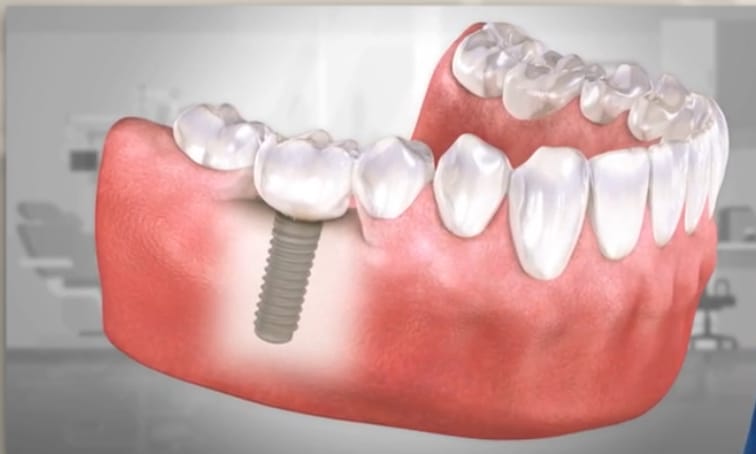
A dental implant consists of three primary parts working together to create a strong, artificial tooth. The first is the implant itself, a small, screw-like post typically made of biocompatible titanium. The Oral Surgeon, surgically places this post directly into the jawbone, where it serves as a replacement for the natural tooth root. Titanium is the material of choice because it possesses a unique ability to fuse with bone, a process known as osseointegration. This fusion creates an incredibly stable and durable foundation, which is the key to the implant's longevity. Without this deep integration, the replacement tooth would lack the strength needed for daily functions like chewing.
The Abutment and Crown
Once the implant has fully integrated with the jawbone, we attach the second component: the abutment. This small connector piece sits atop the implant, just above the gumline. Its purpose is to securely retain the final restoration —the crown— which is the third part. We custom-craft the crown to match the color, shape, and size of your surrounding natural teeth. Made from high-quality porcelain or ceramic materials, the crown is designed to be both aesthetically pleasing and resilient. When all three parts are assembled, they form a complete, functional tooth that blends seamlessly with your smile.
The Process: From Consultation to a New Smile
Your Initial Evaluation
The journey to a new smile begins with a thorough consultation and examination. During this first visit, we use advanced imaging technology, such as digital X-rays and 3D scans, to assess the health and density of your jawbone. This step is critical because a successful implant requires sufficient bone to securely anchor it. We also evaluate the health of your gums and surrounding teeth to ensure you are a good candidate for the procedure. This is the time when we discuss your personal goals, answer your questions, and develop a customized treatment plan tailored to your specific needs.
The Surgical Placement and Healing Phase
The next step is the surgical placement of the titanium implant. Oral Surgeon perform this procedure ensuring your comfort with local anesthesia. A small incision is made in the gum tissue to expose the bone, then carefully places the implant into its predetermined position. After the post is in place, the healing process, or osseointegration, begins. This can take several months, as it is a natural biological process where the bone grows around and fuses with the implant. During this time, we may provide a temporary tooth replacement so you can continue your daily life without a visible gap in your smile.
Attaching the Final Restoration
Once osseointegration is complete and the implant is firmly anchored, you will return to our office for the final phase. We will attach the abutment to the implant and take precise 3D impressions of your mouth. These impressions are sent to a specialized dental laboratory, where technicians will fabricate your custom crown. When the crown is ready, we will have you come in for one last appointment to attach it to the abutment securely. We check the fit and your bite to ensure everything is perfect. The result is a beautiful, fully functional tooth that completes your smile.
The Lasting Benefits: Why Implants Are a Long-Term Solution
Preserving Jawbone Health
One of the most significant long-term benefits of dental implants is their ability to preserve jawbone health. When you lose a tooth, the bone in that area no longer receives the stimulation it needs from chewing forces. As a result, the body begins to resorb the bone, leading to a loss of volume and density. This issue can cause adjacent teeth to shift and may even alter the shape of your face over time, giving it a sunken appearance. Because an implant replaces the tooth root and integrates with the bone, it provides the necessary stimulation to keep the jawbone strong and healthy, preventing bone loss.
Unmatched Durability and Function
Dental implants are designed to last a lifetime with proper care. The titanium post that fuses with your jawbone is incredibly resilient and resistant to decay. The final crown is also made of durable materials that can withstand the everyday pressures of biting and chewing. Unlike traditional dentures, which can slip or cause discomfort, implants are fixed in place and function just like natural teeth. This feature means you can eat your favorite foods, speak clearly, and smile with confidence, without worrying about your replacement tooth moving. Maintaining your implant is as simple as brushing and flossing, just as you would with your natural teeth.
A Lasting Solution for a Confident Smile
We believe that everyone deserves a smile they can be proud of, and dental implants offer a robust, permanent solution for tooth loss. By replacing the entire tooth structure from root to crown, they restore full function and aesthetics while protecting your long-term oral health. This treatment not only fills a gap in your smile but also rebuilds your confidence and improves your overall quality of life. If you are ready to explore a durable and natural-feeling tooth replacement option, we are here to guide you through every step of the process.
Frequently Asked Questions About Dental Implants
How long does the dental implant process take from start to finish?
The entire dental implant process can vary from person to person, but it typically takes between 3 and 9 months. The timeline depends mainly on the individual's healing process. After the initial implant placement, the crucial osseointegration phase, where the implant fuses with the jawbone, usually takes three to six months. If a bone graft is needed to build up the jawbone before placement, this can add several more months to the overall timeline.
Is the dental implant procedure painful?
We prioritize patient comfort and use local anesthesia to numb the area completely during the surgical placement, so you should not feel any pain during the procedure itself. After the anesthesia wears off, it is normal to experience some mild discomfort, swelling, or minor bruising for a few days. We typically recommend over-the-counter pain relievers to manage any soreness. Most of our patients report that the discomfort is minimal and well worth the long-term benefits of a permanent new tooth.
Why can’t I just get a bridge instead and skip the surgery?
With the advances we’ve made in implant dentistry, dental implants have become the standard of care for replacing missing teeth. Here’s why:
A traditional bridge relies on the two teeth adjacent to the empty space for support. This requires removing healthy enamel from those teeth, which increases their risk of decay and periodontal problems over time. Additionally, because a bridge does not integrate with the bone, it cannot preserve jawbone health. As the bone in the area continues to resorb, the supporting teeth (“legs” of the bridge) are placed under increasing stress, eventually compromising the stability and longevity of the bridge.
At Osgood Dentistry, we are committed to providing exceptional dental care to our community in North Andover and the surrounding areas. We combine advanced technology with a compassionate approach to help you achieve a healthy, beautiful smile that lasts a lifetime. If you are considering dental implants or have any questions about restoring your smile, please reach out to us to schedule a consultation.